


If driverless taxis eventually earn money on British roads, existing taxi and Uber drivers could seek to own the vehicles and share in the returns from automation. Whether that replaces a livelihood would depend on access to capital, operating permission and net earnings. Ownership alone would not establish that everyone can earn a living from it.
Tesla’s current Cybercab FAQ invites commercial enquiries for individual vehicles or fleets. That is a meaningful distinction from a product reserved exclusively for Tesla’s own operation. But an enquiry form is not a published British price, delivery contract, guaranteed access to bookings or permission to carry paying passengers here. This article’s figures are hypothetical budgets, not Tesla quotations or earnings forecasts. [1].
There is no verified UK Cybercab launch date in the sources checked. Four milestones must align: an available vehicle, road approval, permission to carry paying passengers and access to a workable booking network. Britain has a pilot route before full implementation of the Automated Vehicles Act framework, expected in late 2027. The permit regulations took effect on 15 May 2026, covering taxi-like services in England and bus-like services across Great Britain. That does not create a UK-wide robotaxi licence or extend the route to Northern Ireland. Scotland and Wales should not be treated as covered by England’s taxi-like provisions. [2].
A proposed taxi-like service also needs consent from each relevant local licensing authority, subject to the Act’s deemed-consent provisions; national permitting is not a way around a timely local refusal. Vehicle approval, any required special order and vehicle listing are separate from the passenger-service permit. An ordinary private-hire licence or registration document cannot substitute for those assessments. The applicable route must be established for the specific deployment. [3]; [4].
Nor is importing an American vehicle a shortcut. General import rules require approval evidence before registration, alongside customs and tax formalities; they do not guarantee that a Cybercab qualifies. This is also not simply a right-hand-drive conversion question: Cybercab lacks a steering wheel. British road behaviour, passenger access and the operating safety case matter more than moving controls. Obtain a written, vehicle-specific approval route before committing to an import. [5].
The strongest case for driver ownership is about who receives the income. If savings from automation accrue only to manufacturers and large platforms, displaced drivers may lose earnings while others acquire the productive assets. An ownership route could instead let experienced drivers build equity, retain customer relationships and employ their local knowledge in running the service.
A cooperative could spread the cost of vehicles, premises and support across members; shared ownership or appropriately structured finance could lower the entry barrier. Those are possible arrangements, not confirmed Tesla offers. They would need transparent membership rules, affordable financing, fair access to bookings and a clear allocation of losses. Public support, if considered, should be assessed against alternatives such as retraining and accessible public transport.
It would not automatically be a win for everyone. Drivers without savings or borrowing capacity might still be excluded. Owners would carry debt and downtime risk, while a platform could control fares, dispatch, fees and access to customers. If everyone expands fleets together, demand need not expand with them. More empty cars could mean lower utilisation and more congestion, rather than a larger income pool to share.
The potential advantages remain substantial. Removing onboard driving labour could make longer operating hours viable, while electric propulsion may reduce energy and maintenance costs. An experienced driver already understands demand, airport queues, unreliable pickup points and passenger expectations. That knowledge could transfer into dispatch and fleet management. Five vehicles may share a depot, administration and support arrangements more efficiently than one, although those savings depend on actual contracts and demand.
The corresponding disadvantage is that responsibility remains. Government pilot guidance expects adequate insurance for the vehicle and its operation, financial standing, safety plans and operational competence. Outsourcing services does not remove the permit holder’s responsibility. A buyer must establish who holds the permit, who provides assistance and recovery, who handles incidents, and what happens if a technology supplier suspends service. [6].
A remote-support budget is not proof that one person may supervise an unlimited fleet. Customer advice, emergency response, vehicle recovery and remotely controlling a vehicle are different functions. Require a defined, approved operating arrangement and prices covering the hours you intend to run. If the supplier charges per vehicle or trip, or requires staffing you have not budgeted for, attractive headline returns can disappear.
Charging and parking are another business system. You need somewhere lawful and secure to wait, clean, inspect and charge vehicles—not simply somewhere they can stop between trips. Confirm the manufacturer-supported charging method and access terms; do not assume an existing public charger can serve an unattended Cybercab. Queuing, manual connection, charge limits and travel to a depot can consume earning time.
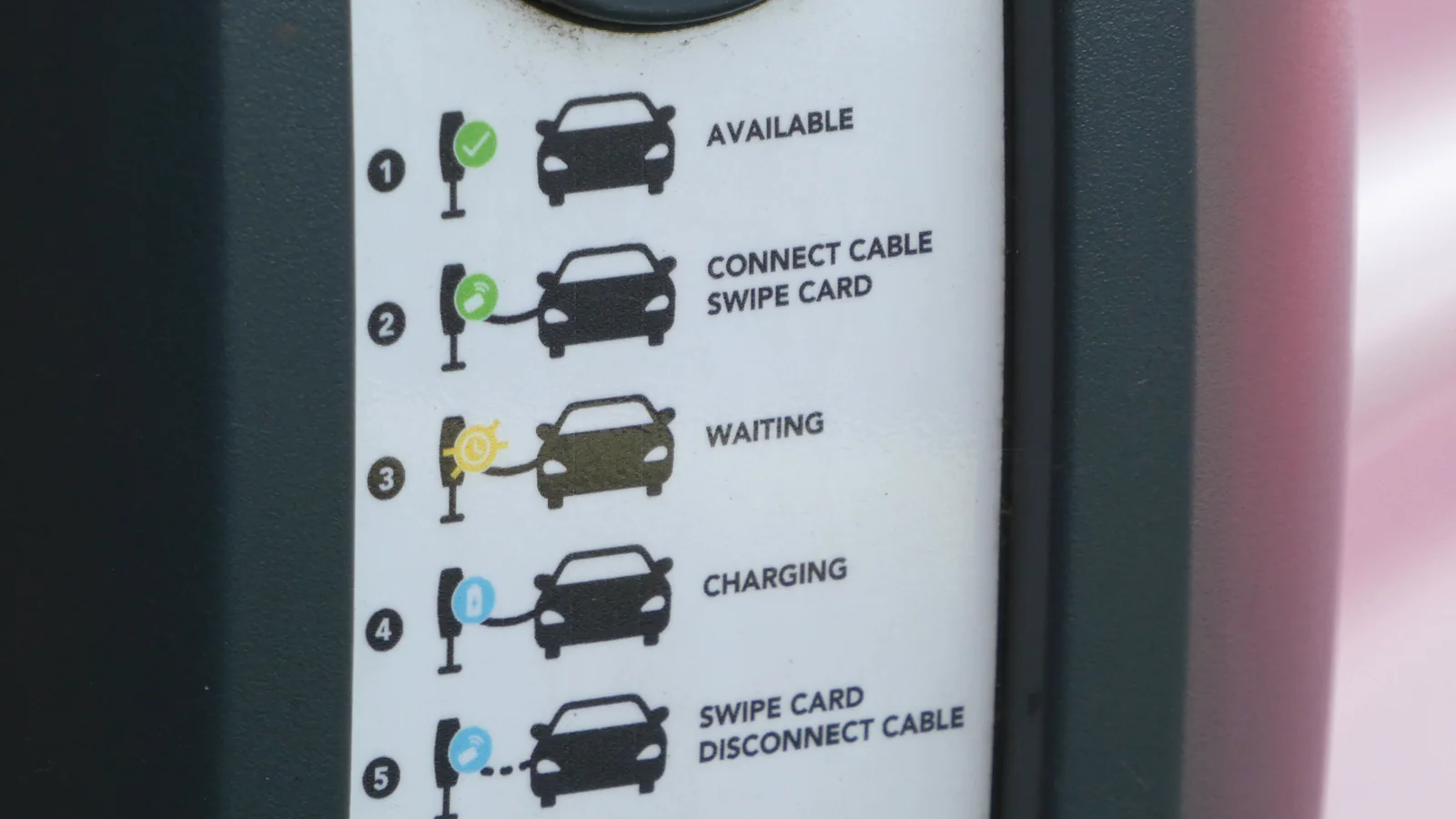

For multiple chargepoints, government guidance recommends early discussion with the electricity network operator. A commercial operation also needs appropriate land rights, lease consent and any required planning permissions. A driveway is not automatically a permitted fleet depot. England’s October consultation on improving tenants’ charging access is a proposal, not an existing universal right to install equipment. [7]; [8].
Passengers create work that software cannot simply wish away. Spills, lost property, damaged interiors and awkward luggage require procedures and people. A two-seat vehicle cannot serve every group. Accessible booking, boarding, assistance dogs and emergency support need planning; transferring from a wheelchair is different from travelling while remaining in it. A service must demonstrate how it meets passengers’ needs rather than assume that a driverless cabin is accessible to everyone. [6].
Consider an invented annual budget, assuming legal operation and a booking contract eventually exist. Each vehicle is scheduled for 3,600 hours annually. Downside, middle and upside cases assume passengers aboard for 20%, 35% and 55% of that time, at 16 mph, and fares of £2, £2.50 and £3 per occupied mile including VAT. These stress-test fares are not predicted robotaxi prices; competition could push them much lower. Occupied mileage is separately 55%, 65% and 75% of total driving; the remainder is empty travel. Charging, waiting and other downtime fit within the remaining schedule.
For comparison, both businesses are assumed VAT-registered. The model deducts 20% commission from sales excluding VAT, plus a separate 2% payment fee on gross fares. Every vehicle-mile costs an assumed 19p: 9p electricity, 6p maintenance/tyres and 4p cleaning. Annual fixed cash costs are £15,900 for one vehicle or £71,500 for five, covering insurance, remote help, parking, connectivity, tax/permit and administration/compliance allowances. None is a supplier quote.
Assumed capital is £40,000 per vehicle plus £4,000 charging/site equipment for one, or £16,000 for five. Half is financed at 8% over five years. Including working capital, initial funding without loans is £49,000 or £236,000; financing reduces initial equity to £27,000 or £128,000, before any VAT-funding bridge. The model assumes recoverable input VAT where applicable; real restrictions would raise costs. It includes eight-year asset depreciation and an £8,000 vehicle residual, while separately earmarking cash for uncertain future battery work without expensing that reserve twice.
Each table cell shows one vehicle / five vehicles.
Swipe or scroll to see all columns.
| Scenario | Annual passenger fares, including VAT | Operating profit before finance, tax and owner work | Cash after debt, battery earmark and owner allowance, before tax |
|---|---|---|---|
| Downside | £23,000 / £115,200 | −£9,500 / −£38,900 | −£16,100 / −£64,600 |
| Middle | £50,400 / £252,000 | £6,300 / £40,000 | −£600 / £12,800 |
| Upside | £95,000 / £475,200 | £33,000 / £173,700 | £25,800 / £144,800 |
Figures are rounded to £100, not forecasts. Owner work is valued separately at £5,000 annually for one vehicle or £17,500 for five; those hours may be too low. Gross fares are not take-home pay. Operating profit includes depreciation but excludes interest; cash reflects interest and principal without deducting depreciation again. Even the positive cash figures precede personal/business taxes and exceptional losses. The accompanying model itemises assumptions; changing demand, fees, insurance or staffing can reverse the outcome.
Tax and contracts can change the result substantially. HMRC’s current taxi and private-hire guidance treats fares as standard-rated when supplied by a VAT-registered business. Registration is generally required above £90,000 of taxable turnover, with voluntary registration possible below that. Commission deductions do not automatically reduce the turnover used for registration. A future network contract must establish who supplies the ride, who invoices the passenger and what input VAT is recoverable. [9]; [10].
Hiring cleaners, dispatchers or support staff also brings obligations. Employment status follows the working relationship, rather than simply the label in a contract, and can affect pay, holiday and pension responsibilities. The model is a planning exercise, not an individual tax calculation or a substitute for advice on the proposed legal structure. [11].
Before investing, require five things: a deliverable vehicle contract and network terms; a confirmed approval and local-consent route; written operational insurance; a usable depot and charging arrangement; and a downside budget funded through prolonged downtime. Check withdrawal rights, software support, accident excesses, warranty mileage and the vehicle’s resale options if autonomous service becomes unavailable. A cheap asset that cannot legally earn is still an expensive mistake.
Driver ownership could make automation’s benefits more widely shared, particularly if smaller operators can compete on fair terms. It would still be a move from paid driving into transport ownership and management. It could suit someone with capital, premises, reliable partners and the ability to absorb losses. It is not a passive-income proposition for everyone. Until legal access and observed net earnings are established, speculative fleet returns are not an evidence-based replacement for a current wage. A staged, permitted trial could supply that evidence; a launch presentation cannot.
Sources
The links below support the statements attributed to them. A source’s own claims are identified in the article.
- Tesla’s Cybercab FAQTesla · Primary source; product terms, requirements and proposals distinguished in the article
- Enacted permit regulationsUK Government · Primary source; product terms, requirements and proposals distinguished in the article
- Local consent guidanceUK Government · Primary source; product terms, requirements and proposals distinguished in the article
- VCA pilot requirementsUK Government · Primary source; product terms, requirements and proposals distinguished in the article
- Government import guidanceUK Government · Primary source; product terms, requirements and proposals distinguished in the article
- Pilot applicant guidanceUK Government · Primary source; product terms, requirements and proposals distinguished in the article
- Network connections guidanceUK Government · Primary source; product terms, requirements and proposals distinguished in the article
- Current charging-access consultationUK Government · Primary source; product terms, requirements and proposals distinguished in the article
- HMRC taxi VAT guidanceUK Government · Primary source; product terms, requirements and proposals distinguished in the article
- VAT registrationUK Government · Primary source; product terms, requirements and proposals distinguished in the article
- Government employment-status guidanceUK Government · Primary source; product terms, requirements and proposals distinguished in the article